The F1 hybrid tomato seed product of Lam Tai is produced according to a closed farm model, strictly complying with the standardized SOP process and ERP management system from the stage of receiving the original seed to export. We commit to delivering seed lots with absolute purity and superior disease resistance as per the order.
1. General Information & Cooperation Form
Product name: F1 Hybrid Tomato Seed (Tomato F1 Hybrid Seed).
Production form: Produced according to foreign trade contract orders (Contract Production). Customers provide import permits, original seeds (including paternal and maternal lines) along with requirements for seed characteristics.
Export market: Global (meeting the strict testing standards of major seed corporations worldwide).
2. Achieved Quality Standards
Each batch of F1 tomato seeds shipped from Lam Tai undergoes strict quality control (QA) to ensure optimal biological indices:
3. Closed "Standard Studio" Agricultural Production Process
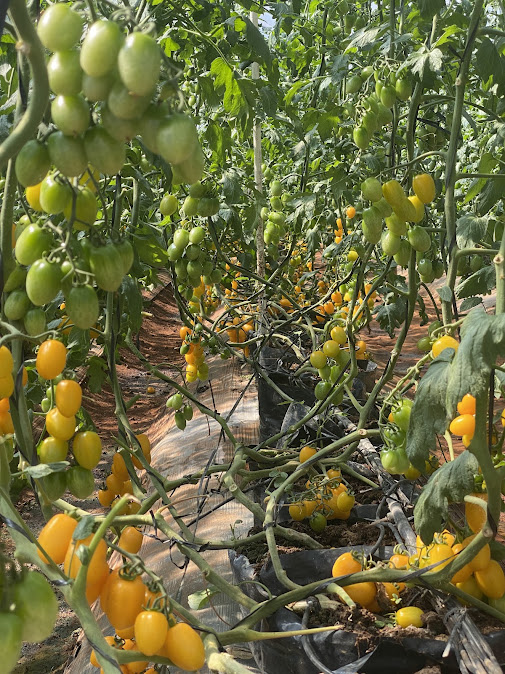
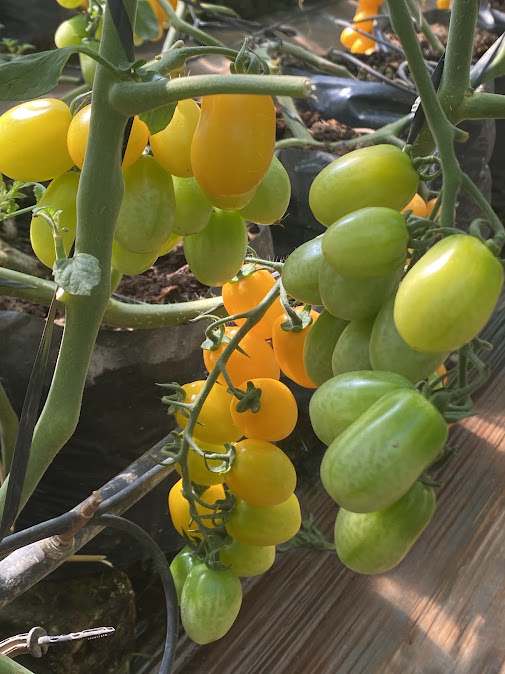
The production process of F1 hybrid tomato seeds is carried out entirely within a modern closed greenhouse system, completely isolated from external harmful agents:
3.1. Original Seed Treatment & Seedling Nursery
-
Original seeds received from customers are soaked and treated with specialized chemicals (soaked in warm water at 40°C for 2 hours, soaked in 10% TSP for 1 hour) to eliminate latent disease pathogens.
-
Seeds are thinned into 100-hole trays using BVB soil substrate imported from the Netherlands.
-
Seedlings are nurtured in the nursery garden for 20 - 25 days before being transferred to the production net house.
3.2. High-tech Cultivation Environment
-
Greenhouse system: Clean net house system, comprehensively disinfected with 2% Virkon and drip irrigation system treated with 10% HCl acid before each planting season.
-
Climate & Nutrition control: Applying automatic drip irrigation system, continuously monitoring and adjusting EC (electrical conductivity) and pH of nutrient solution suitable for each growth stage of tomato plants.
-
Field sanitation: Workers performing care and pruning must wear gloves and disinfect tools with 0.1% Physan solution or 0.2% Virkon after each plant to prevent virus spread (especially TMV virus transmitted by thrips).
3.3. Manual Hybridization Technique (Flower Removal & Pollen Application)
-
Pollination stage: Begins when plants are about 20 - 25 days old.
-
Male sterility (Flower removal): Skilled workers use sterilized tweezers to completely remove the anther sacs of the maternal flower when the flower is still in bud form (not yet open). Commitment process: No flower opening, no leftover pollen sacs, and no damage to the stigma.
-
Pollen application (Pollination): After male sterility for 24 hours, pollen is collected from the paternal line and manually applied to the maternal flower at a suitable temperature (about 28°C). Colored wool and zinc are used to mark the pollination date to control fruit age.
-
Pollination duration: Continuously lasts from 45 - 50 days from the start of pollination until completion.
3.4. Fruit Cultivation & Seed Harvesting
-
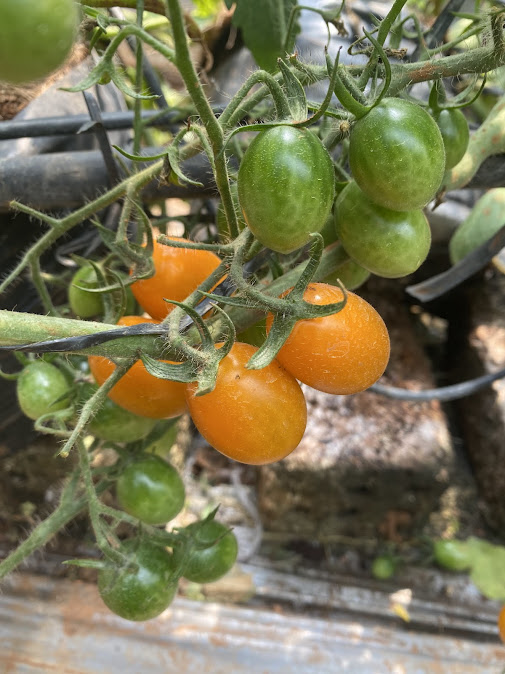
After pollination ends, plants are supplemented with nutrients (Potassium, Calcium) to focus on fruit cultivation.
-
All excess self-pollinated flowers (OP) are thoroughly removed to avoid seed contamination.
-
The process of harvesting, seed separation, wastewater treatment after processing, and export packaging is carried out according to standardized SOP procedures, with digital technical records stored by ERP software for traceability.
LAM TAI - YOUR RELIABLE SEED PRODUCTION PARTNER With over 30 years of experience (since 1989) in hybrid seed export production, we are confident to meet large quantity orders with quality meeting the strictest international market standards.